When audiences first watched Jackie Chan Police Story 2 in 1990, they were dazzled by high‑flying stunts and witty dialogue. Yet, a centuries‑old treasure has just as much drama— the Roman Ligula spoon, a brass utensil that blends functional design with a touch of theatrical flair.
Context: From Martial Arts to Ancient Kitchenware
Both the 1990 film and the Ligula spoon share a common thread: they embody craftsmanship that commands attention. While Jackie Chan’s film relies on choreography and precise timing, the Ligula spoon relies on millennia‑old metallurgy and ergonomic shaping. Historians note that the spoon’s 145‑centimeter length is unusually long for a serving utensil, hinting at its possible ceremonial use in Roman banquets.
Design & Craftsmanship of the Ligula Spoon
The Ligula spoon features a slender, elongated bowl and a gently curved handle. Its brass construction, alloyed with copper and tin, gives it a warm luster that reflects light in a way reminiscent of a cinematic spotlight. The handle tapers to a point, allowing users to maneuver the spoon with ease, similar to how a skilled stunt performer manages a prop.
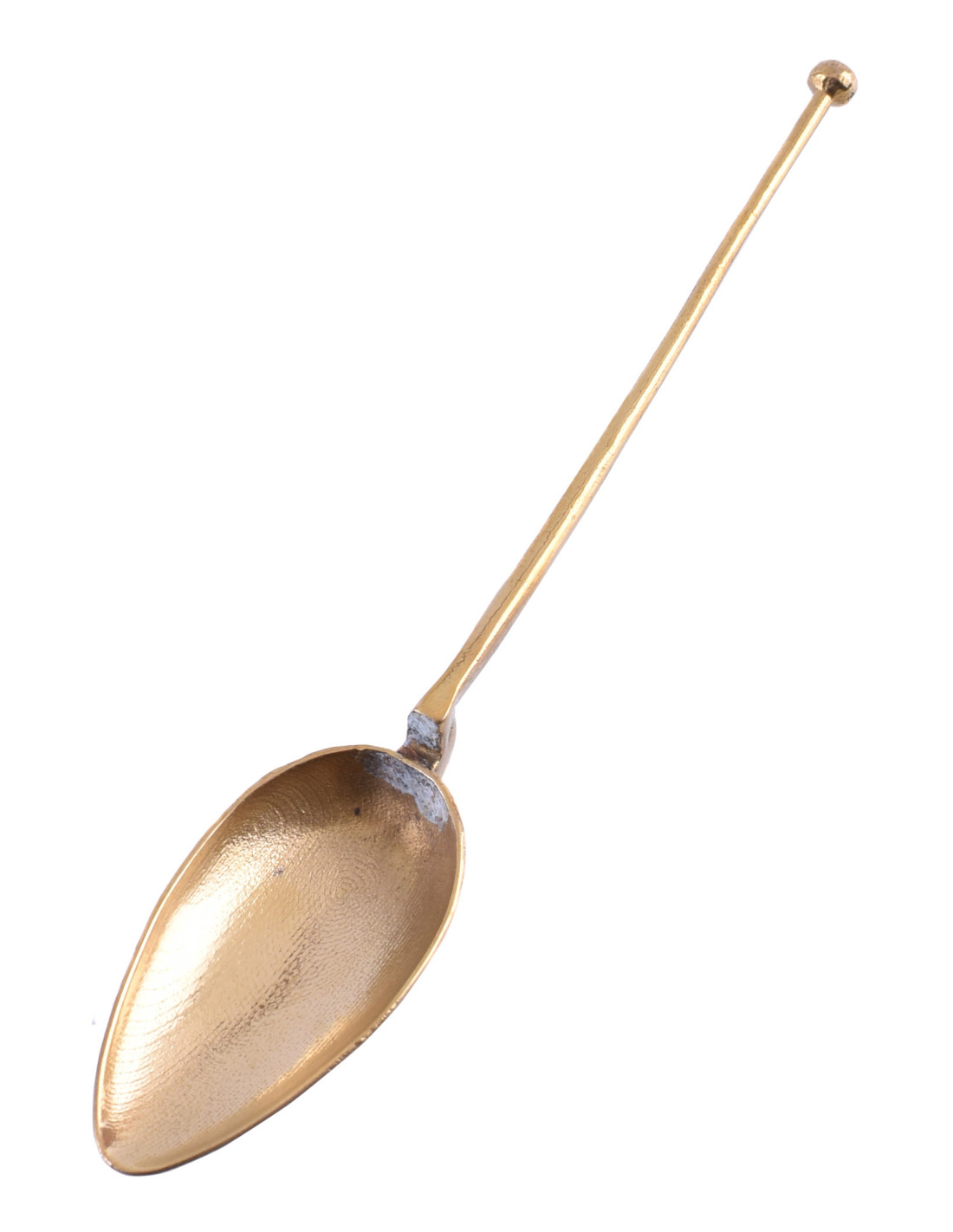
Common Mistakes in Restoring Ancient Metal Utensils
- Over‑polishing: Many restorers strip away patina, losing the spoon’s historical authenticity.
- Ignoring alloy composition: Brass can oxidize differently; treating it like pure gold leads to uneven corrosion.
- Neglecting the handle: The taper is critical for balance; mishandling can alter the spoon’s original feel.
Smarter Alternatives for Collectors and Culinary Enthusiasts
- Conservative cleaning: Use a mild, non‑abrasive solution to maintain patina while removing surface grime.
- Protective coatings: Apply a thin layer of beeswax or a specialized metal sealant to guard against oxidation without masking historic marks.
- Functional adaptation: For those who wish to use the spoon today, attaching a modern handle made of wood or composite can preserve the original while providing contemporary ergonomics.
Implications for Cultural Heritage Preservation
The Ligula spoon demonstrates how artifacts can bridge entertainment and scholarship. By treating the spoon with the same meticulous care that a stunt coordinator applies to choreography, curators can keep the story of Roman dining alive. The parallels between Jackie Chan’s dynamic sequences and the spoon’s elegant lines illustrate that storytelling transcends mediums—whether it’s on screen or in a museum hall.
Whether you’re a film aficionado, a culinary historian, or simply curious about how ancient objects survive the passage of time, the Ligula spoon offers a tangible link to the past. Its enduring beauty reminds us that precision—whether in a fight scene or a finely tuned utensil—always deserves respect.
Ligula O Cuchara Romana

Ligula o cuchara romana
Cuchara Romana En Latón Tipo Ligula (14,5 Cm.) ⚔️ Tienda-Medieval
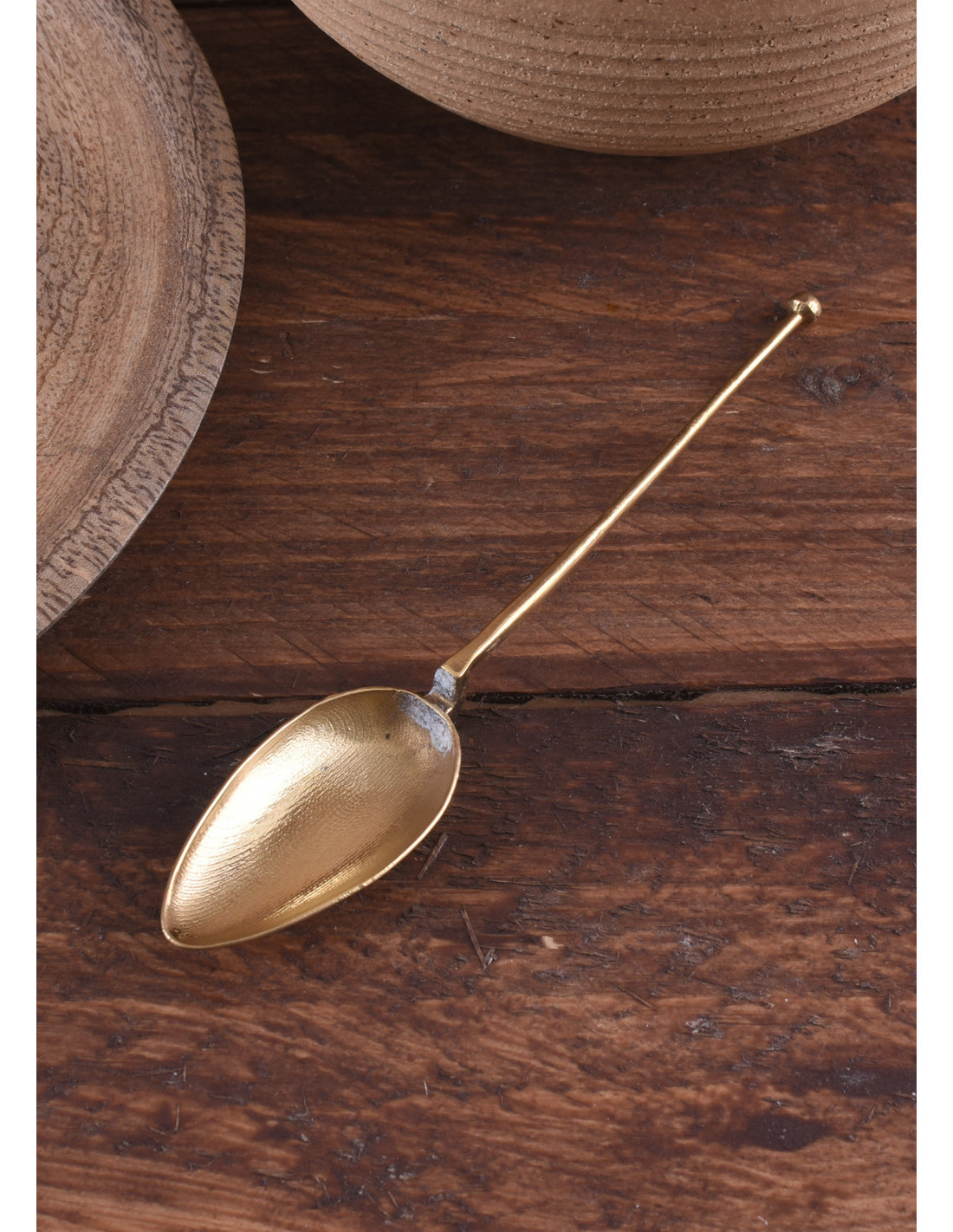
Cuchara Romana en latón tipo Ligula (14,5 cm.) ⚔️ Tienda-Medieval
CUCHARILLA Romana LIGULA
CUCHARILLA Romana LIGULA
Cuchara Romana De Latón Modelo Cochlearium (14,5 Cm.) ⚔️ Tienda-Medieval
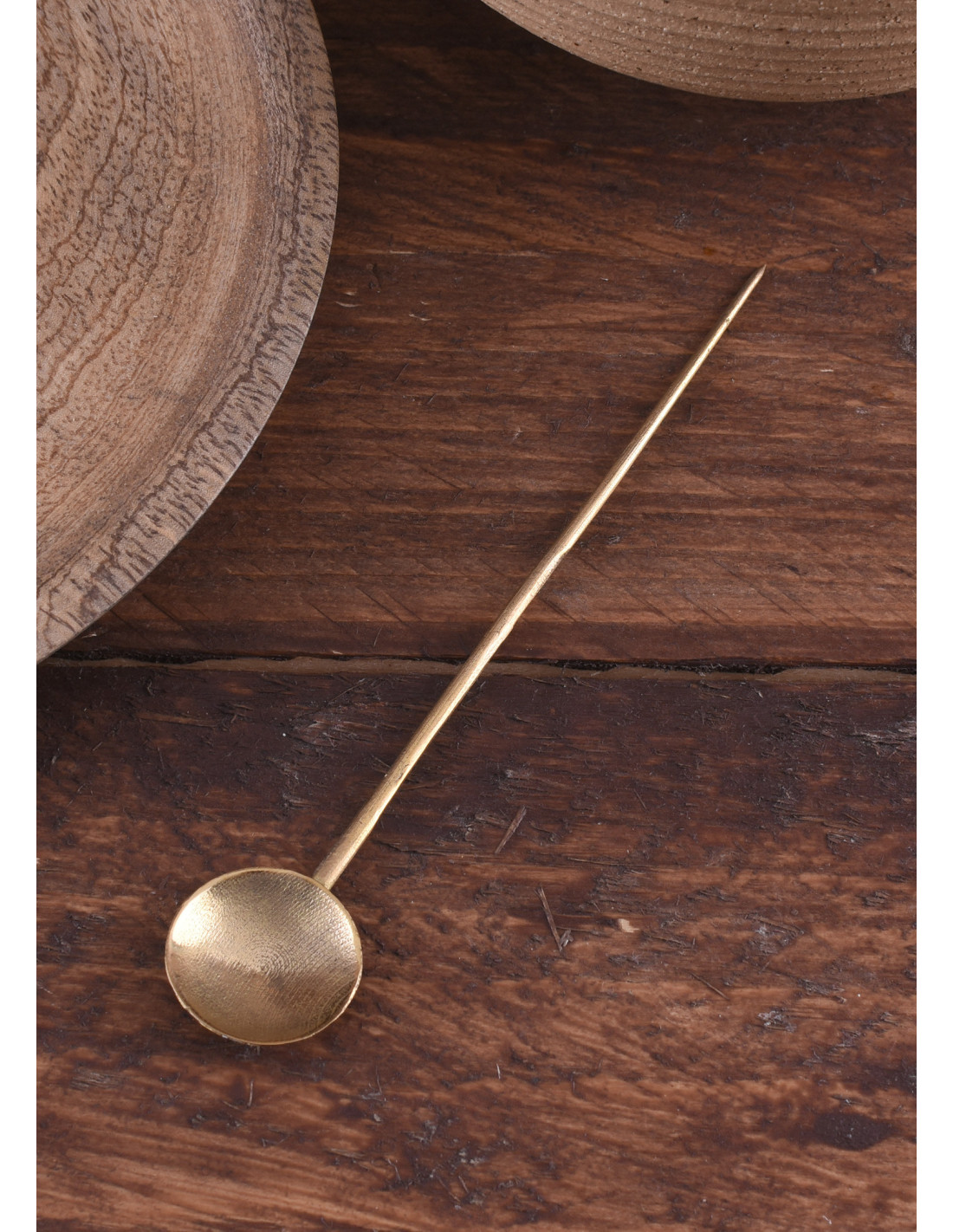
Cuchara romana de latón modelo Cochlearium (14,5 cm.) ⚔️ Tienda-Medieval